


What Kind of Rest Do You Actually Need From Your Next Vacation?
“I need a vacation!”
Seems pretty self-explanatory but in reality those words could have several different meanings… OK lady, what are you talking about??? So glad you asked. Sometimes it means you need sleep.
But sometimes it means you need beauty, quiet, privacy, or a little room to hear yourself think again. And sometimes it means you need adventure, movement, music, culture, or a long dinner you didn’t have to plan. Then again, sometimes it means you need someone else to hold the details for a little while because your brain has been doing the heavy lifting for far too long.
See, that’s the part we don’t always pause to consider. Wanting a vacation is one thing. Understanding what kind of vacation will actually restore you is something else entirely. I’ve learned this both as a traveler and as someone who helps other people plan their escapes. The trip that looks perfect on paper is not always the one your body, mind, or spirit is quietly asking for.
Not every relaxing trip is relaxing for every human. One traveler may feel renewed after five slow days at a spa resort with morning yoga, room service, and no schedule. Another may feel restless by day two and realize they need art, architecture, food, music, and the feeling of being immersed somewhere new. Someone else may be craving a soft adventure… Scuba diving, hiking, sailing, or exploring nature in a way that brings them back into their body.
The most restorative vacation is not always the quietest one. It’s the one that matches what you need in this season of life.
The Vacation You Want vs. the Vacation You Actually Need
Most vacation planning begins with a destination.
You may have a saved folder full of boutique hotels in Italy, overwater bungalows in the Maldives, adults-only resorts in the Caribbean, or river cruises through Europe. Maybe you already know you want somewhere warm. Maybe you want a cruise because unpacking once sounds heavenly. Maybe you want a wellness retreat because your body has been whispering, then yelling, that something needs to change.
Those ideas are helpful. They give us a starting point. But before choosing the destination, it helps to understand what you want the trip to do for you.

Do you want to feel rested? Inspired? Reconnected? Cared for? Adventurous? Peaceful? Beautiful? Free?
A trip can look perfect online and still be wrong for your nervous system, energy level, or current season of life. A high-energy European itinerary might be exciting, but not ideal for someone who is deeply depleted. A large all-inclusive resort might seem luxurious, but feel overwhelming if what you truly need is quiet and privacy. A beach vacation might look like the obvious answer to burnout, but feel flat if your mind is craving creativity, culture, and stimulation.
This is where intentional vacation planning becomes so important. It shifts the question from “Where should I go?” to “What do I need to feel like myself again?”
Rest Is Not One-Size-Fits-All
Restorative travel can take many forms. A spa resort, river cruise, cultural city escape, wellness retreat, tropical all-inclusive, or soft adventure itinerary can all be restorative when the experience is matched to the traveler.
For one Rosebud, rest may look like a quiet suite, a massage, breakfast on the balcony, and no need to make conversation before noon. For another, rest may look like wandering through a local market, hearing live music, tasting regional food, and feeling the energy of a city that has its own rhythm. For someone else, it may look like warm water, scuba gear, and the kind of silence you only find below the surface.
Luxury wellness travel is not only about spa menus and green juice. Sometimes wellness looks like seamless logistics, private transfers, thoughtful pacing, and knowing exactly where you need to be without having to manage every moving part yourself.
A true travel reset is about alignment. The destination matters, of course, but the feeling matters more.
The 6 Types of Travel Rest
Before planning your next vacation, consider what kind of rest you may actually need.
1. Physical Rest: Sleep, Spa, and Slow Mornings
Physical rest is for the traveler whose body is tired.
This is the season when an overpacked itinerary does not feel exciting. It feels like another assignment. Your ideal vacation may include sleeping late, moving slowly, spending time by the water, enjoying spa treatments, and letting the day unfold without too many expectations.
Physical rest often pairs beautifully with wellness resorts, adults-only all-inclusives, spa-focused getaways, peaceful beach destinations, or cruises with unhurried sea days. The goal is not to see everything. The goal is to let your body soften, recover, and stop bracing for the next demand.
This kind of trip needs space. It needs gentle pacing, comfortable accommodations, easy meals, and an itinerary that does not make you feel guilty for doing less.
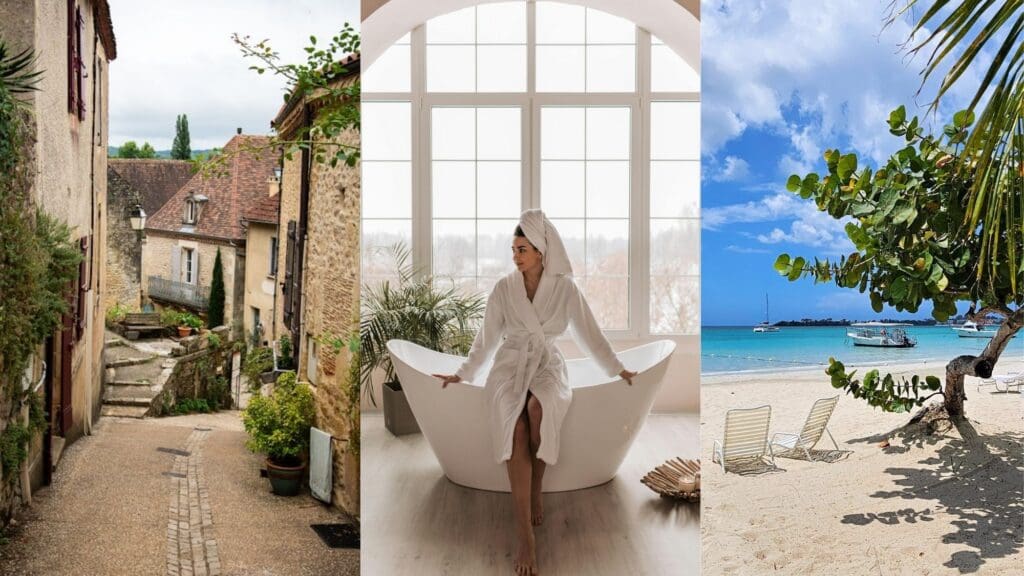
2. Mental Rest: Fewer Decisions and Seamless Logistics
Mental rest is for the person who has been carrying the calendar, the research, the reminders, the reservations, the transportation details, and the emotional labor of making sure everything works.
This type of traveler may not need complete stillness. They may simply need relief from decision fatigue.
A mentally restorative vacation feels organized without being rigid. Transfers are arranged. The itinerary makes sense. The hotel is well-located. The pace is realistic. The dining, touring, and travel flow have been thought through ahead of time, so the traveler can actually enjoy the experience instead of managing it.
This kind of rest works especially well with river cruises, curated European itineraries, luxury cruises, tropical all-inclusives, and custom-designed trips where the details are handled with care. This is where having a trusted advisor, like yours truly, becomes more than convenient. It means someone else is bringing the same care, thoughtfulness, and attention to detail that you would bring to your own trip… Without requiring you to carry all of it yourself.
Sometimes the most restorative part of a vacation is not having to be the one in charge. Ask me how I know.
3. Emotional Rest: Beauty, Privacy, and Space to Exhale
Emotional rest is for the traveler who has been carrying a lot internally.
It may come after a season of caregiving, grief, transition, burnout, family responsibility, or simply being the person everyone depends on. This kind of rest requires softness. It needs beauty, privacy, quiet moments, and enough breathing room to process life without being rushed through it.
An emotionally restorative trip may include a boutique hotel with a peaceful view, a quiet island resort, a wellness retreat, a scenic countryside stay, or a destination that offers both comfort and calm. It may include journaling, long walks, slow meals, or simply sitting somewhere beautiful with no immediate obligation.
This is not about running away from life. It is about creating enough distance to return to yourself with more clarity and ease.
4. Relational Rest: Reconnection With the People You Love
Not all rest happens in solitude. Sometimes the rest you need comes from reconnecting with your partner, friends, or family in a setting that gives everyone room to relax and enjoy each other again. (Remember that?)
Relational rest is especially meaningful for couples who have been living in logistics mode, friends who have been saying “we need to take a trip” for literal years, or families who want time together without the usual household responsibilities.
This kind of vacation may include a romantic resort, a milestone celebration trip, a villa stay, a luxury cruise, a small group getaway, or a thoughtfully planned family vacation. The details matter because poor planning can quickly turn connection into coordination.
The right trip creates space for shared meals, laughter, conversation, ease, and memories that do not have to compete with daily life.

5. Creative Rest: Art, Food, Music, Culture, and Inspiration
Creative rest is for the traveler who feels drained by sameness.
When life becomes too repetitive, a new environment can wake something up. Color, flavor, architecture, music, language, design, and local traditions can bring a sense of aliveness that is deeply restorative.
This is the kind of rest that may come from wandering through Lisbon, taking a cooking class in Italy, listening to live music in Madrid, visiting museums in Paris, exploring markets in Mexico City, or enjoying a food and wine-focused river cruise down the Danube.
For these travelers, too much stillness can start to feel uninspiring. They do not necessarily need a packed itinerary, but they do need texture. They need beauty, discovery, and experiences that remind them there is still so much to see, taste, learn, and enjoy. This is often the kind of travel that lights me up personally. Evening market strolls, unexpected live music, that deliciously long meal, those hidden gems that makes you remember there is more to life than your usual routine.
Creative rest is less about doing nothing and more about being reawakened by something new.
6. Adventurous Rest: Movement, Nature, and Soft Adventure
Adventure can be restorative when it is designed with the right balance of movement, comfort, and ease.
Adventurous rest is for the traveler who feels renewed by nature, water, fresh air, and physical activity. This may include scuba diving, hiking, snorkeling, kayaking, sailing, wildlife experiences, or exploring landscapes that feel far removed from everyday life.
This does not have to mean an extreme expedition or an exhausting schedule. Soft adventure can be luxurious, comfortable, and beautifully paced. A traveler might spend the morning snorkeling in clear water, the afternoon at the spa, and the evening enjoying a beautiful dinner with a view.
Destinations like Costa Rica, Belize, St. Lucia, Bali, Thailand, Hawaii, the Galápagos, the Maldives, and certain expedition cruise itineraries can offer this kind of reset when planned thoughtfully.
For some people, rest is found in stillness. For others, it is found in motion.
What Happens When You Choose the Wrong Kind of Trip
A vacation can be beautiful and still miss the mark.
A traveler who needs physical rest may return exhausted from a trip that required early mornings, multiple hotel changes, and constant movement. A traveler who needs mental rest may feel frustrated by a vacation where every transfer, meal, and activity has to be figured out on the fly. Someone craving emotional rest may feel overwhelmed by crowds, noise, and a resort that is too large or too busy. Someone needing creative stimulation may feel underwhelmed by a quiet beach trip with very little to explore.
This is why copying someone else’s vacation rarely works perfectly.
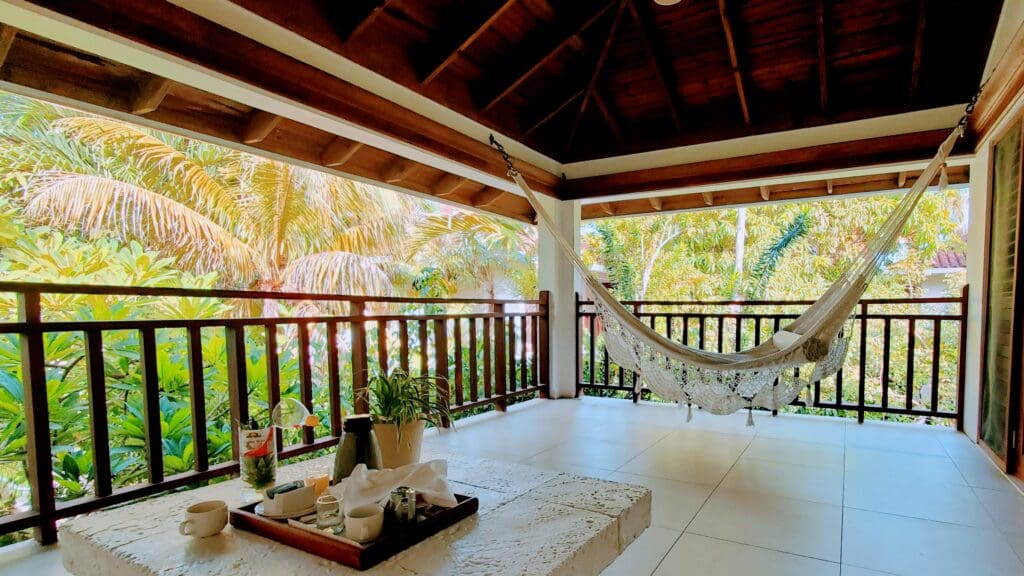
Your friend’s favorite resort may not fit your travel style. The destination everyone is posting about may not be right for your current energy levels. The itinerary that looks impressive may not be the one that helps you feel restored.
The best trip is not always the most popular, the most expensive, or the most photographed. It is the one that meets you where you are and gives you what you actually need.
How Rose Bloom Travel Helps Match the Trip to Your Season of Life
At Rose Bloom Travel, the planning process goes deeper than asking where you want to go.
Of course the destination matters, but so does the pace. And so does your energy. So does the reason behind the trip. So does what you want to feel when you arrive, what you are hoping to recover from, and what would make the experience feel easy.
Some travelers need quiet and care. Some need reconnection. Some need beauty and inspiration. Some need a sense of adventure. Some need to celebrate a milestone, mark the end of a hard season, or simply remember what it feels like to be delighted by life again.
That’s why the right questions matter.
Maybe it’s my nursing background, my teacher brain, or simply my personal belief that people deserve to feel truly cared for, but I really like to understand the whole picture before making recommendations.
What kind of mornings feel good to you on vacation? Do you want structure or flexibility? Do you enjoy being immersed in culture, or do you need a slower resort experience? Are you craving privacy, connection, activity, or stillness? What details usually drain you when you travel? What would make this trip feel effortless?
The answers help shape a vacation that is not only beautiful, but aligned.
Because a well-planned trip should not feel like another project. It should feel like being thoughtfully cared for from the first conversation to the welcome-home moment.
Try Rose Bloom Travel’s Vacation Clarity Guide
You may know you need a vacation, but knowing what kind of reset you need can completely change the way you plan.
Our Vacation Clarity Guide is a simple quiz-style worksheet designed to help you identify your ideal travel rest style: physical, mental, emotional, relational, creative, adventurous, or a blend of several.
Once you understand what kind of rest you are craving, it becomes much easier to choose the destination, pace, accommodations, and experiences that will actually support you.
Download the Rose Bloom Travel Vacation Clarity Guide to identify your ideal travel style.
Your next vacation can be more than a break from your routine. It can be a thoughtful reset designed around what you need most.


Be the first to comment