

Who River Cruising Is Really For
Especially If You Think You Don’t Like Cruises
I know a lot of people who say they don’t like cruises.
Some don’t like the idea of a massive ship. Some picture crowds, buffets, long lines, casinos, packed pool decks, or being surrounded by thousands of people they’ll never see again. Some have tried ocean cruising and decided it wasn’t their style. Others have never cruised at all, but they already know they don’t want a vacation that feels like a floating mega-resort.
And yet, many of those same people will say, “But I would consider a river cruise.“ Which tells me they already suspect there’s a difference.
Most people understand, even instinctively, that river cruising and large ocean cruising are not the same kind of trip. They may both involve a ship, a stateroom, and an itinerary that moves, but the experience, atmosphere, pace, and purpose can feel completely different.
After sailing with AmaWaterways, I understood that difference in a much deeper way. I also understood who river cruising is best for and who may be better served by a different style of travel altogether.
River cruising is not for everyone, but for the right traveler, it can be one of the easiest, most elegant ways to experience Europe.

River Cruising Is for People Who Don’t Think They Like Cruising
This may sound strange, but river cruising can be a wonderful fit for people who say they are “not cruise people.”
Large ocean ships are designed to be destinations in themselves. The ship is often the main event, with restaurants, entertainment, nightlife, pools, casinos, shopping, shows, kids’ clubs, and a long list of onboard attractions.
River cruising just hits different. The destination is the main attraction, not the ship.
Instead, the ship is your comfortable home base, not a floating amusement park. You are not sailing for days across open water trying to fill the time between ports. You are moving through the heart of a region, often docking near or within small towns, villages, cultural sites, and walkable areas. The scenery is part of the experience, not just something you see when you happen to look outside.
That difference matters.
If someone dislikes big ships because they feel crowded, overstimulating, or disconnected from the destination, river cruising may solve many of those pain points. It is smaller, calmer, more destination-focused, and usually much easier to navigate.
Who River Cruising Is Best For
River cruising is best for travelers who want culture, comfort, ease, and a more intimate way to explore.
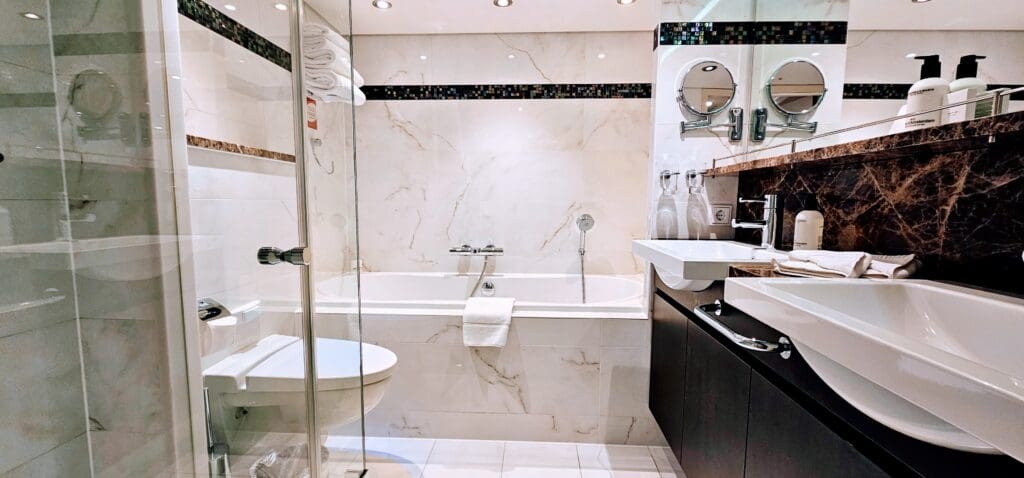
It works especially well for people who want to visit several places without packing and unpacking every few days. Your ship moves, but your stateroom stays yours. Your clothes stay in the closet. Your toiletries stay in the bathroom. Your book, wrap, glasses, and random little “just in case” items stay exactly where you left them.
Meanwhile, the view changes.
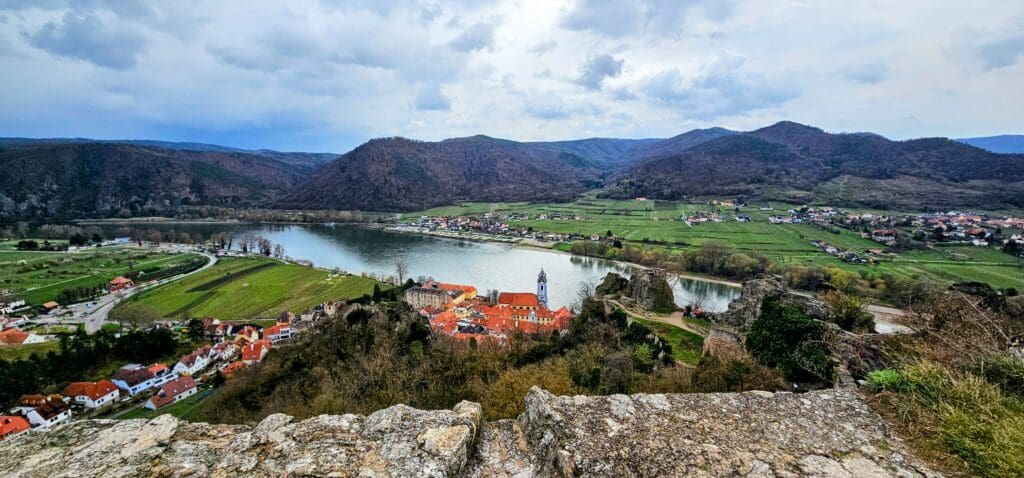
That is one of the quiet luxuries of river cruising. You get movement without constant disruption. You can experience multiple towns, regions, and landscapes without managing every hotel change, train ticket, transfer, luggage haul, and check-in time yourself.
For travelers who love the idea of Europe but do not want the logistics of a multi-city trip to become a second job, river cruising can be a very smart fit.
What River Cruising Does Better Than Large Ocean Ships
River cruising and ocean cruising both have their place, but they solve different travel needs.
Large ocean ships are wonderful for travelers who want big entertainment, endless dining options, nightlife, family programming, sea days, and a resort-style experience. They can be fun, energetic, and full of choices.
River cruising shines in a different way.
It offers a smaller scale, easier navigation, and a stronger sense of place. You are not spending your time figuring out which deck you are on or waiting in long lines with thousands of other passengers. The ship is easier to learn, the pace is calmer, and the experience feels more personal. Because it is.
The biggest perks, to me, are:
You unpack once.
This is a huge advantage over a traditional land itinerary, especially in Europe.
You stay close to the destination.
Many river cruise ports place you near the places you actually came to see, rather than far outside the city with a long transfer ahead.
You experience scenery while traveling.
The movement itself becomes part of the trip. You are not just getting from one place to the next.
The ships are smaller.
A LOT smaller. That creates a more intimate atmosphere and makes it easier to meet people naturally.
Excursions are often built into the rhythm of the trip.
You are not starting from scratch every day trying to decide what to do.
The pace is gentler.
You can still be active, but the overall structure tends to feel less chaotic.
For the right traveler, those are not small perks. They change how the whole vacation feels.
Who Should Consider a River Cruise Instead of a Traditional Europe Trip
A river cruise can be a great fit if you want Europe to feel easier. That does not mean watered down. It means less friction.
A traditional multi-city European itinerary can be beautiful, but it often asks a lot from the traveler: transportation planning, hotel coordination, dinner reservations, tickets, timing, luggage, neighborhood research, and a hundred tiny decisions that add up.
Some travelers love that. They enjoy the puzzle. Others want the beauty and culture without needing to personally manage every moving part. That second traveler should look closely at river cruising.
It gives you a built-in structure, but not in a way that feels like a rigid escorted tour. You still have choices. You can often choose your activity level, your excursion style, and how social or independent you want to be. That balance is one of the reasons river cruising works well for couples and groups.
Why River Cruising Works So Well for Couples
Most couples do not travel with identical energy every day.
One person may want the active walking tour. The other may want the gentle option. One person may want to bike through the countryside. The other may prefer a slow morning on the deck with coffee and a view. River cruising can accommodate both without making either person feel like they are compromising the entire trip.
That is one of the things I appreciated most. While the hubs and I chose to do most of the activities together, we did split up a couple times and have so many more pictures to show for it. The best river cruise experiences give travelers enough structure to feel cared for, but enough flexibility to make the trip their own.
For couples, that’s a sweet spot. You are sharing the journey, but you are not forced into the exact same version of every day.
Why River Cruising Can Be Ideal for Groups
River cruising also works beautifully for certain kinds of groups because it creates togetherness without requiring everyone to move as one unit.
That’s a big deal.
On a group trip, people often have different interests, mobility levels, budgets, sleep habits, and social batteries. A river cruise gives the group a shared home base, shared meals, and shared experiences, while still allowing people to choose different excursions or spend parts of the day at their own pace.
On any given sailing, that may look like you choosing the active hike, your mom choosing a gentler pace, and your bestie deciding to stay on board for a slow morning on the sun deck. Then everyone comes back together and has something unique to talk about.
There are even specialty sailings that lean more into wine, music, wellness, history, or holiday markets. Just another reason the right itinerary matters.
This kind of travel structure is especially appealing for milestone birthdays, friend groups, couples traveling together, mother-daughter trips, alumni groups, and curated small groups of like-minded travelers.
The Scale Is Completely Different
This was one of the biggest differences when compared with large ocean cruising. When people say river cruising feels more intimate, they are not just being poetic. The scale is on a different level.
A large ocean ship may carry several thousand passengers. Think Royal Caribbean’s Icon of the Seas, which can carry up to 7,600 guests at maximum capacity, plus about 2,350 crew. Floating city is not an exaggeration.
Small-ship ocean cruising is generally much smaller, often under 1,000 guests, with some luxury and expedition-style ships carrying far fewer. River cruise ships are smaller again, usually carrying fewer than 200 guests depending on the ship, river, and region. AmaWaterways’ Zambezi Queen, for example, carries just 28 guests on the Chobe River.
That size difference changes the entire feel of the trip.
You are not learning a floating city. You are not spending the first three days figuring out which elevator bank gets you closest to dinner. You are not one anonymous traveler among thousands unless you go out of your way to be.
The Community Feels Different
On my sailing, there were about 156 passengers on a ship that holds around 160. That size changes everything.
You start recognizing people from day 1. You see the same faces at breakfast, on excursions, in the lounge, at sip and sail happy hours and on the deck. Conversations happen more naturally because you are not lost in a crowd of thousands. By the end of the week, people are exchanging numbers, comparing future travel plans, and genuinely connecting.
I met my river cruise bestie before the sailing had even really started. We met each other briefly at the airport while waiting for our transfer to the ship. And over the course of the week, that tiny first impression turned into an actual friendship. I learned about her daughter’s upcoming wedding, and by the end of the cruise, I felt like I wanted to visit them. She is truly the sweetest.
That is one of the gifts of a smaller ship.
You are not anonymous unless you want to be. You are part of a temporary little travel community, and when the group is warm, curious, and well-traveled, that can become one of the most memorable parts of the journey.
That is a very different social environment than a large ocean ship.
Who Should Skip River Cruising
River cruising is not the right fit for everyone. And that’s ok.
If your dream vacation includes big nightlife, Broadway-style shows, casinos, waterslides, large pool decks, endless restaurant choices, and the energy of a major resort, you may prefer a large ocean ship. If you love sea days and want the ship itself to be the destination, ocean cruising is a much better match.
If you want to disappear into a crowd and never see the same person twice, a river cruise may feel too intimate. And if your idea of Europe is a fast-paced checklist of major cities, famous landmarks, and constant movement, river cruising will likely feel slower than you want.
That slower pace is not a flaw. It’s by design. But it needs to match the traveler’s vibe.
So Where Does AmaWaterways Fit?
This is where the specific cruise line matters.
River cruising is not one-size-fits-all. Each river cruise line has its own personality, inclusions, price point, atmosphere, dining style, excursion approach, and typical client profile.
That is why choosing the right river cruise line matters as much as choosing the right itinerary.
My sailing on the AmaBella helped me see how well this line fits a particular kind of traveler. AmaWaterways feels especially well suited for active couples, food-focused travelers, wine lovers, wellness-minded folks, and people who want polish without excessive formality.
The line has a nice balance of structure and choice. It gives you a well-organized travel experience without making the trip feel stuffy. You can be active, but you do not have to be. You can be social, but you are not forced into constant group activity. You can enjoy the included programming, meals, and excursions while still having room to make the trip feel personal.
That combination is probably why I liked it as much as I did.
It didn’t feel like a generic cruise. It felt like an easy, thoughtful way to travel through Europe with people who were curious, educated, friendly, engaged and engaging.
AmaWaterways Is Probably a Strong Fit If…
AmaWaterways may be a strong fit if you:
- enjoy good food and wine
- like cultural experiences but do not want a dry history lecture all day
- want excursion choices with different activity levels
- appreciate wellness options
- prefer a warm, social atmosphere over a very formal one
- like the idea of meeting other well-traveled people
- want comfort without feeling like the trip is stiff
- are traveling as a couple or with a small group
- want Europe to feel easy, scenic, and well-paced
This does not mean AmaWaterways is the only good choice. (There are several and we have strong opinions about this.) It means Ama has a specific personality, and that personality needs to match the traveler.
Some river cruise lines may be better for someone who wants ultra-luxury, a quieter environment, a more formal onboard experience, a different inclusion level, or a different price point. That is where working with someone who understands the nuances becomes valuable.
The goal is not just to book a river cruise.
The goal is to book the right river cruise.
My Takeaway
River cruising is not simply a smaller version of ocean cruising, it’s an entirely different travel style altogether. It’s for travelers who want to experience a destination more intimately, without giving up comfort or ease.
It is less about the ship as the destination and more about the ship as a graceful way to move through the destination. It’s for travelers who want the beauty of Europe without the constant logistics. For people who enjoy good food, local culture, scenic movement, and smaller-scale travel. It is for folks who are curious, social, and interested in a slower rhythm that still feels full.
And for the many individuals who say they do not like cruising, river cruising may be the exception that makes perfect sense.
Because the truth is, not all cruises feel like “cruises” in the way people imagine them. Some feel more like a moving boutique hotel. Some feel like a dinner party with interesting strangers who become friends. Some feel like a gentler, smarter way to see Europe.
That is the version of cruising that made me understand the appeal.
Curious Which River Cruise Style Fits You?
I’ll be opening a waitlist soon for a Rose Bloom Travel group sailing: AmaWaterways’ Impressions of the Seine & Paris, August 14-21, 2027.
This sailing will be a good fit for Rosebuds who want Paris, the Seine, beautiful food, a small-ship atmosphere, and a thoughtfully paced introduction to river cruising.
If you are river-curious but not sure which line or itinerary matches your travel style, send me a note with what you usually love, and what you usually avoid, when you travel.
This is where the matchmaking begins.


Be the first to comment