


Do You Need a Custom Itinerary or a Cruise? Here’s How to Know
The Bloom in Brief
Trying to decide between a custom itinerary vs. cruise? Start with how much structure, flexibility, movement, and decision-making you actually enjoy while traveling.
- The Core Difference if you’re still comparing destinations,
- The Budget Reality if the numbers are confusing you, or
- Go directly to The Decision Filter if you’re ready to call it.
I have personally seen the look on someone’s face when they realize they booked the wrong kind of trip.
Not the wrong hotel or destination. The entire format was simply not it.
They were craving freedom but ended up watching the clock. Or they desperately needed someone else to handle the logistics yet somehow created a vacation that required a spreadsheet, six confirmation numbers, three train changes, and a daily family meeting to assess the state of the union.
Babes…
Before we debate Italy versus Greece, ocean versus river, or whether you should finally go to Japan, there’s a more useful question… How do you actually want to move through your vacation?
Because both a cruise and a custom land journey can be beautiful, luxurious, culturally interesting, and worth every single penny. They just solve different travel problems. And sometimes the destination isn’t the issue at all.
The format is.
The Core Difference (And It’s Not What You Think)
The biggest difference between a cruise and a custom land journey isn’t that one happens on a ship and the other happens in hotels.
It’s where the structure lives.
On a cruise, much of the framework already exists. Your accommodations move with you. Dining, entertainment, transportation between destinations, and the basic rhythm of your days are built around the ship’s itinerary. You still make choices, obviously, but there’s a sturdy skeleton underneath keeping things ship shape. (I literally couldn’t help myself, lol).
On a custom land journey, we build that skeleton ourselves.
Maybe you wake up in Florence, take a private car into the Tuscan countryside, spend the afternoon cooking in Franchesca’s family kitchen. You stay three nights instead of two because changing hotels every 48 hours is, in fact, utter foolishness, and then take the train to Rome because in that particular stretch of the itinerary it makes more sense than a driver.
That freedom is magical. It’s also a bit of work.
A well-designed custom itinerary isn’t simply a collection of nice hotels with a few museum visits sprinkled in. The transportation has to make sense. Geographic flow actually matters. Travel days matter. Drive times most definitely matter. The reality is you need enough breathing room between the activities you’re excited about so the vacation doesn’t start feeling like an extended field trip with good wine.
This is where my Scientific Method of Trip Planning pops back into the conversation: the itinerary should be built around the experience you’re trying to create, not a collection of places you feel obligated to squeeze in. The fomo is real.
Who Thrives on a Cruise (The Short Version)
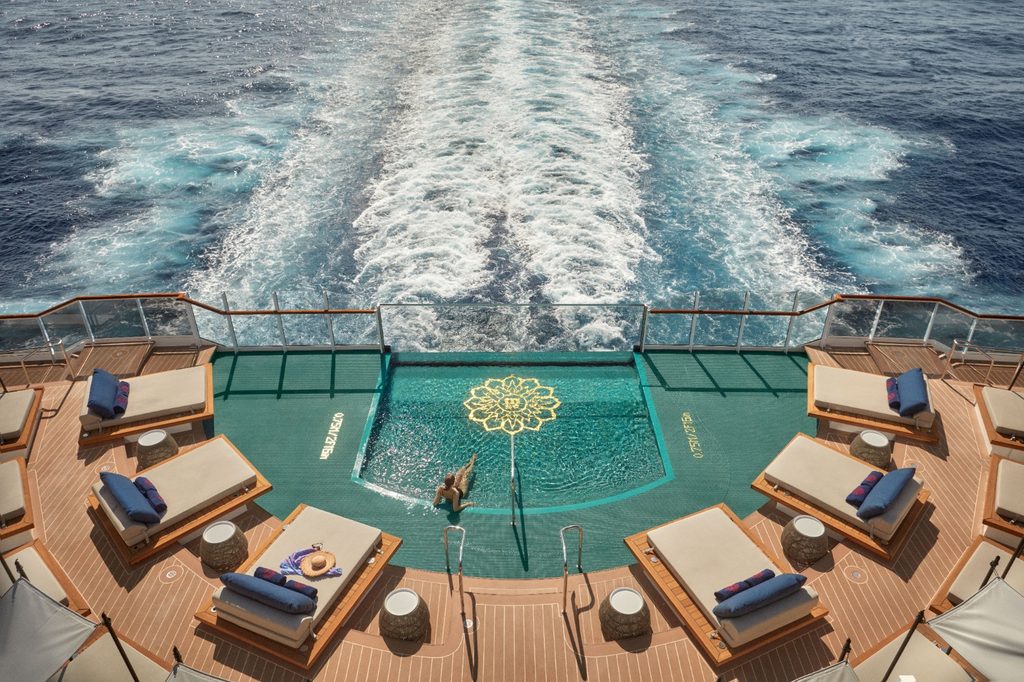
A cruise tends to work beautifully when you like having a strong framework supporting your vacation, and want to see multiple places without repeatedly packing and unpacking. Ask yourself: do I genuinely appreciate knowing that food, entertainment, transportation, and my room are all living in the same general ecosystem? Be honest with yourself here.
If that sounds like you, fabulous…This is where you go next: The Questions That Separate a Good Cruise From YOUR Cruise. If not so much, keep reading my intrepid friend.
Who Needs a Custom Itinerary (And Why It’s Not Just “Fancy”)
Custom travel gets mislabeled as the expensive, complicated option for people who want private drivers following them around Europe while their butler peels grapes for high tea.
Cutesy. But no.
Control Is the Point
The real reason to build a custom itinerary is control. And some of us are low-key control-freaks. No shade my friend, cause same.
So what if you want control over your daily pace? Control over where you linger and what gets skipped entirely. Who doesn’t like control over whether your morning begins at 7:00 sharp because there’s something genuinely worth waking up for. Or rolling out of bed at 10:30 because you stayed out eating all the pasta and drinking Barolo and are totally uninterested in pretending otherwise.
It’s also different from the traditional cruise vs. guided tour comparison. A custom land journey does not automatically mean joining a coach of strangers for eight days and following someone holding a tiny flag and a megaphone. It can mean personal touring where privacy matters, a small-group foodie walk that creates better energy, independent afternoons for when you want to wander, trains when they make logistical sense, and private transfers on the days when schlepping your luggage through a station would personally offend the both of us.
Travel Time Conversions
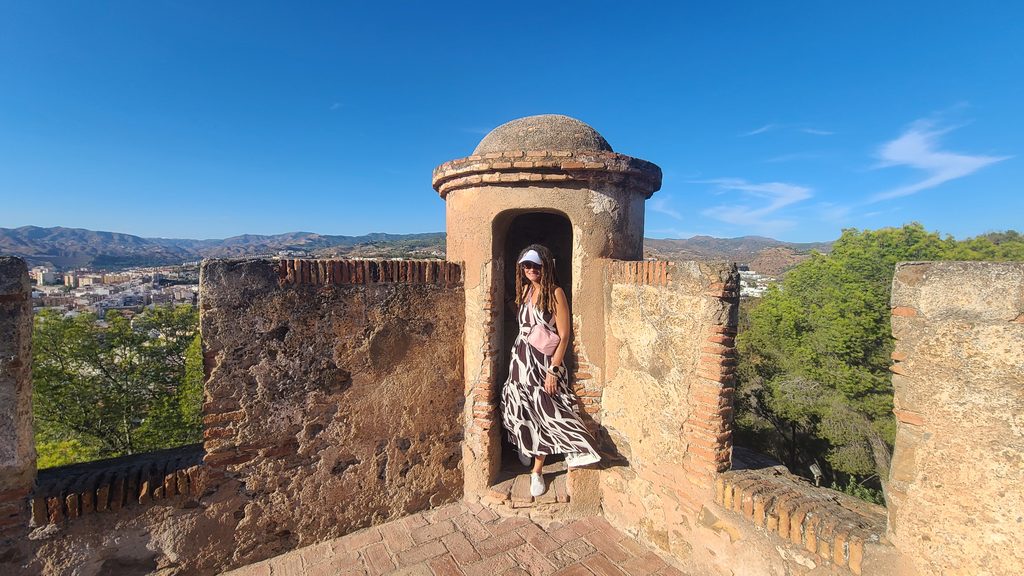
In the real world, a 90-minute train ride is rarely just 90 minutes. Here’s what a typical travel day can look like… First, you need to repack, then hotel checkout, the ride to the station with enough buffer to not be sprinting through the terminal like we’re in an action movie, the actual train ride, the transfer on the other end, luggage handling, and hotel check-in. All of a sudden, your cute little travel morning has eaten half the day. That’s why we call them travel days and not activity days. That doesn’t mean we don’t move around; it means we account for the whole transition when deciding how much movement your itinerary can comfortably hold. Big difference.
Where the Value Lives
That becomes especially valuable when we’re moving through multiple regions, arranging private experiences, dealing with complicated transfers, or building around very specific interests. If you’re going to Italy because you want art, food, countryside, gorgeous hotels, and enough unstructured time to actually enjoy all four, that is a very different design problem from “show me as much of Italy as humanly possible in nine days.” At this point in my life, I’m too old for the latter, give me the former every time.
And believe me, your body knows the difference.
Some people find a structured travel day reassuring. Other people start getting twitchy the second someone tells them they’ve got to be back by 4:30. Neither traveler is doing vacation incorrectly. The problem starts when you book against your own nature. Please don’t do this.
The Budget Reality: Cruise vs. Custom Isn’t Apples to Apples
This is where people get themselves into a pickle because they compare the big number at the top of two proposals and assume they’re looking at equivalent products.
Sorry but, no… They usually aren’t.
What Your Cruise Fare Is Actually Buying
A cruise fare packages a significant amount of the trip into one number. Your accommodations are moving with you, transportation between ports is built into the itinerary, and depending on the cruise product, that fare may also include some combination of dining, beverages, gratuities, Wi-Fi, entertainment, wellness facilities, and other onboard experiences.
Custom land journeys are just built differently.
Ok, but What’s a DMC
For more complex land trips, I may also bring onboard a Destination Management Company, or DMC. Think of them as my boots on the ground. (I mean, who doesn’t love a gorgeous pair of boots!?) Their entire job is knowing the nuances of that particular destination. They are specialists with local supplier relationships who can help coordinate the drivers, guides, hotels, experiences, and all the tiny timing decisions that determine whether an itinerary feels seamless or like somebody attacked Europe with a spreadsheet. They happen to be in-destination, which means you have a local, in the correct time-zone, that can help with any snafus that arise in real time.
Also of note, these are often professional B2B relationships. I’m not talking about pulling a prebuilt vacation off a public website that you could’ve Googled and booked yourself before your coffee got cold. I mean, we can absolutely do that if it’s your preference and you want someone to guide and manage your experience. Again, no shade. But the point of involving a DMC or specialty tour operator is access to a deeper layer of destination knowledge, logistics, supplier relationships, and itinerary design than your favorite search engine can offer.
Why Custom Pricing Moves Differently
That also means the pricing behaves differently.
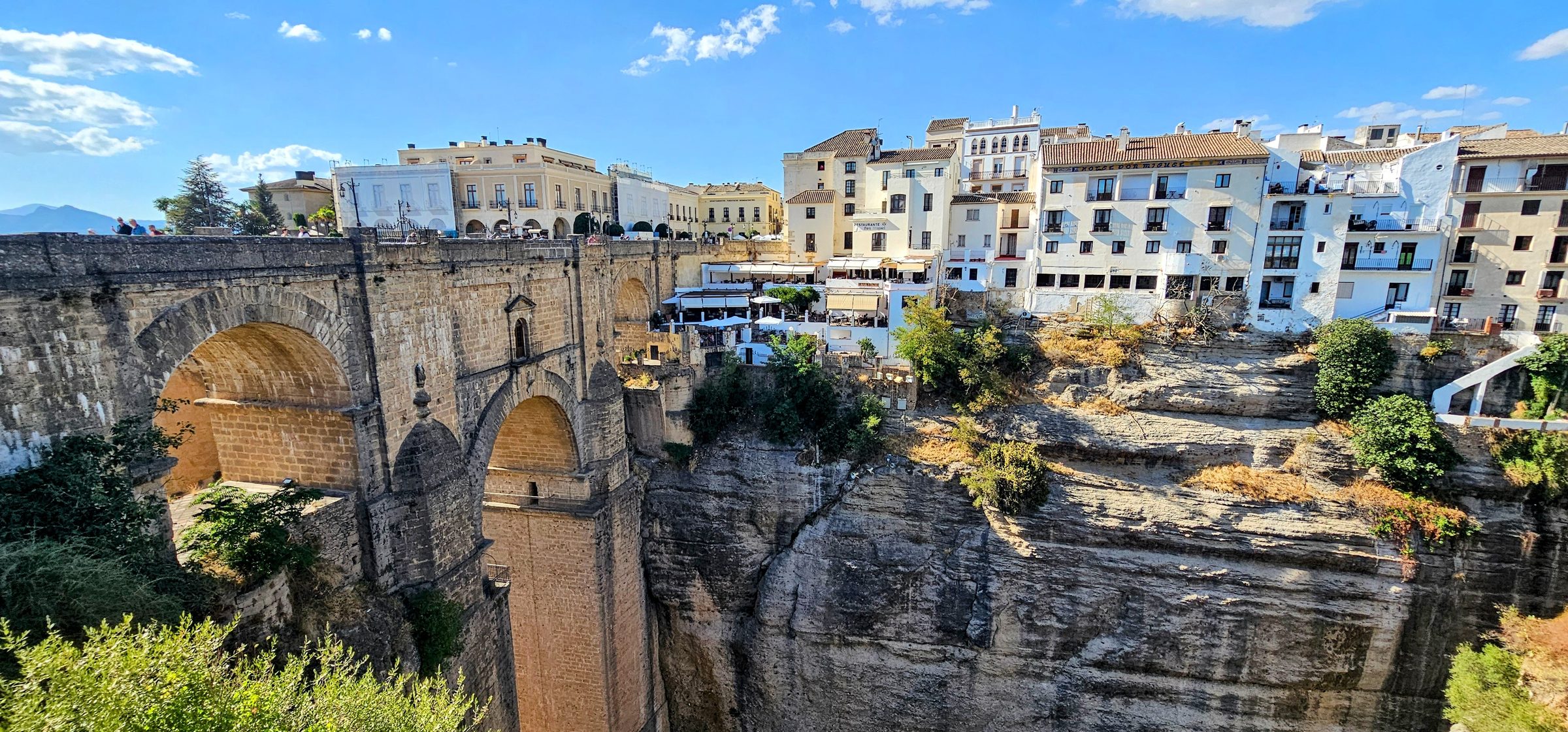
Instead of looking at a cruise fare and then trying to find the land-trip equivalent, you have to compare what the money is actually doing. On a custom journey, your investment may be spread across boutique hotels, private car service, rail, guides, transfers, admission, unique experiences, selected meals, and the local infrastructure connecting all of it. Change the hotel category, make two touring days private instead of shared, add a boat day, slow the itinerary down by two nights, and the entire number can shift dramatically.
Which is exactly why “Which one is cheaper?” isn’t especially useful.
Where Do You Want to Feel the Spend?
The better question is: Where do you want to feel the spend?
Maybe you want the ease of unpacking once, excellent meals already nearby, and your transportation between destinations handled while you sleep. Your overworked and frazzled brain may just swoon at the very thought.
Or maybe you want your driver waiting downstairs, your local guide who knows exactly why that obscure little church matters to you, three nights in the Amalfi coast instead of one rushed afternoon, and the freedom to eat dinner at 9:30 PM because nobody is expecting you back onboard, and that’s when the locals eat too.
Those are different uses of money.
Neither one automatically gives you more value. The value is in whether you paid for the parts of travel that actually make your vacation better for you.
What About Both? The Hybrid Trip
Ummm, yes, please!
Sometimes the answer is both.
A cruise can be the centerpiece of a much larger land journey rather than the entire vacation all by itself. You could spend several nights in Rome before sailing the Mediterranean, add Barcelona afterward, or combine a river cruise with a longer independent stay in the region you most want to explore.
This is absolutely one of my favorite solutions for travelers who like the ease of cruising but don’t want every destination experienced on port time. The cruise handles movement beautifully. The land portion gives you permission to stay awhile. Sounds like maximum bliss to me.
Breakfast without a clock. Dinner after the day visitors leave. An actual neighborhood becoming familiar instead of remaining something you saw through a bus window.
That little combo situation can be fan-tabulous when the pacing hits right.

The Decision Filter: 5 Questions That Make This Obvious
If you’re still asking, “Should I book a cruise or custom trip?”, forget the brochures for a hot minute and answer these instead:
- Do you want to unpack once or settle into places?
If changing hotels drains your life force, then cruising starts looking mighty attractive. If waking up in the same city for several mornings helps you connect with it, land has the advantage here. - How much scheduled freedom do you actually want?
Not theoretically. Actually. Some travelers say they want freedom and then feel anxious without a plan. Others see a 5:00 PM all-aboard time and immediately develop maritime authority issues.
Again, to thy own self be true.
- Do you enjoy the journey between places?
Cruising turns transportation into part of the vacation. On land, transportation is something we intentionally design, think: train, car, boat, short flight, and those transitions affect the rhythm of the trip. Travel days often take more time, energy, and coordination than most people even realize. - Are you trying to sample a region or understand a place?
A cruise can give you an extraordinary introduction to several destinations. Think of it like a buffet, you get a little taste of several places, so next time you know where you want more time to indulge. A custom journey lets you go deeper into fewer locations. Neither is automatically more “authentic.” Depth and breadth are simply different goals. - What does your nervous system want from this vacation?
This one’s a doozy. So big, I literally made a guide to help you figure it out.
Do you want fewer logistical decisions and a dependable home base? Or do you want autonomy, privacy, long lunches, slower mornings, unexpected detours and the ability to change the texture of one day without changing the whole trip?
Start there
Because this is not really a cruise vs. custom itinerary problem. It’s a travel-style problem. And once we understand how you want to feel, how you like to move, how much structure feels comforting versus claustrophobic, and where you actually want your money doing the heavy lifting, the format usually gets much easier to see.
Sometimes that answer is a cruise. Sometimes it’s a custom land journey. Sometimes we stitch the two together and everybody gets what they came for.
This is exactly the kind of question one conversation can answer.
Explore the How We Work Guide to see how Rose Bloom Travel approaches custom planning, or book a consultation and let’s figure out what kind of trip actually fits you.
Cruise vs Custom Land Journey Questions Answered
What’s the difference between a cruise and a custom itinerary?
A cruise has a predefined route and built-in travel infrastructure: your accommodations travel with you, and much of your dining, entertainment and transportation between destinations is contained within the cruise experience. A custom itinerary is designed around your preferred destinations, pacing, hotels, transportation and experiences, allowing significantly more control over how you spend your time.
Is a custom travel itinerary more expensive than a cruise?
Not necessarily. Both cruise and custom land travel cover enormous price ranges. The important difference is what the price includes. Cruise fares may bundle accommodations, transportation between ports, dining and other onboard amenities, while a custom land journey may price hotels, transfers, trains, private guides and experiences separately. Compare the complete trip, not just the headline fare.
How do I know if a cruise or land trip is right for me?
Think about your preferred vacation pace. Travelers who value a consistent home base, built-in structure and visiting several destinations without repeatedly changing hotels often enjoy cruising. Travelers who want greater control over timing, longer stays, private experiences and flexible daily pacing may prefer a custom land journey.
Can you combine a cruise with a custom land journey?
Abso-freakin-lutely. A hybrid itinerary can add several custom land days before or after a cruise, allowing you to explore one or two destinations more deeply while still enjoying the convenience of cruising for the middle portion of the trip.
What is a DMC in travel planning?
A Destination Management Company (DMC) is a professional company based in or deeply connected to a destination that provides local expertise and logistical resources. Depending on the trip, a DMC may coordinate transportation, guides, tours, activities and other on-the-ground arrangements.


Be the first to comment